Breakdown
Scene Preparation
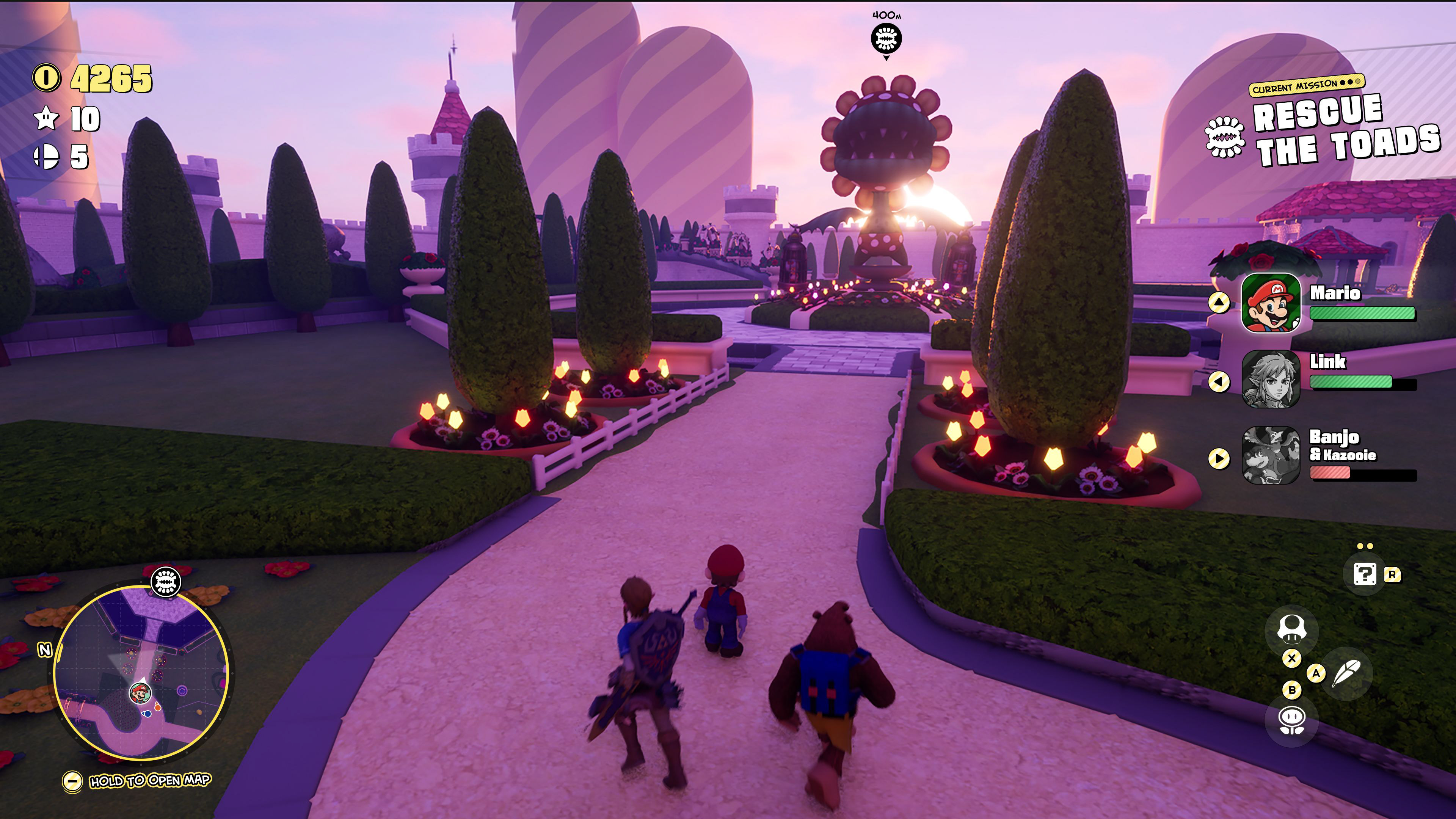
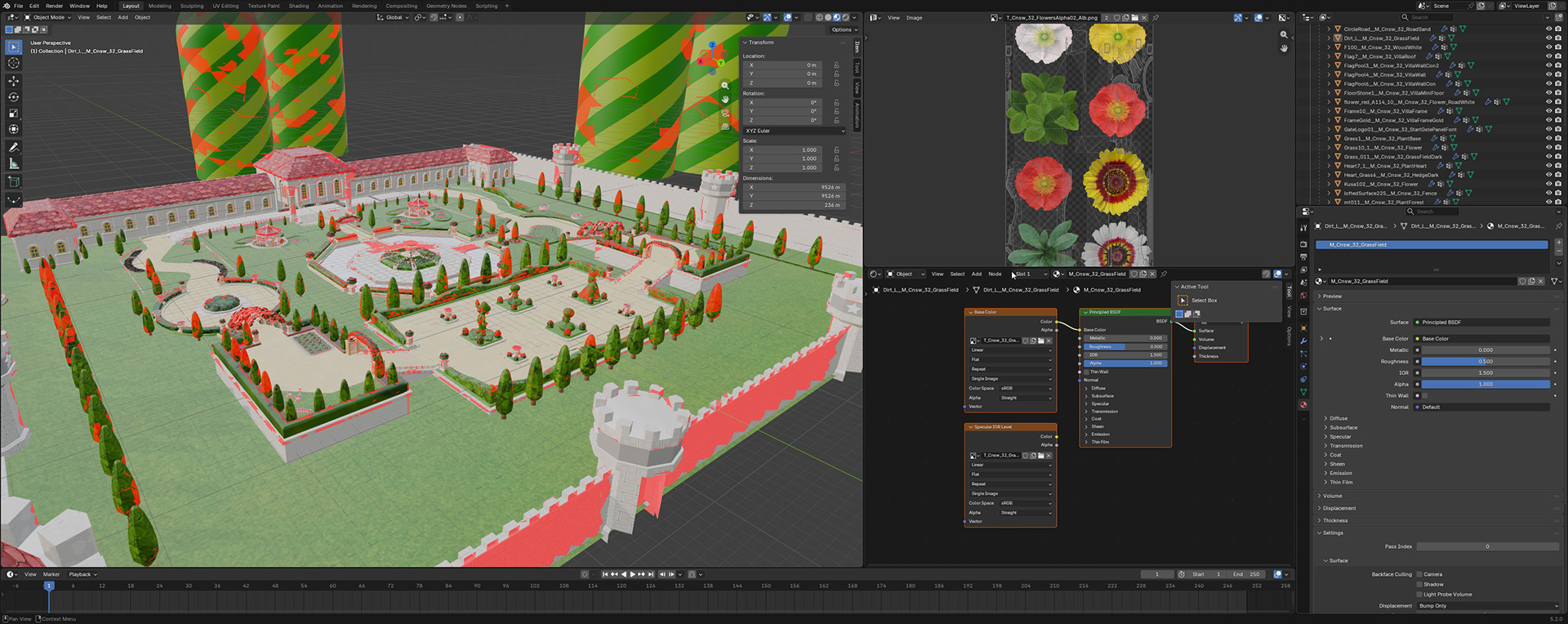
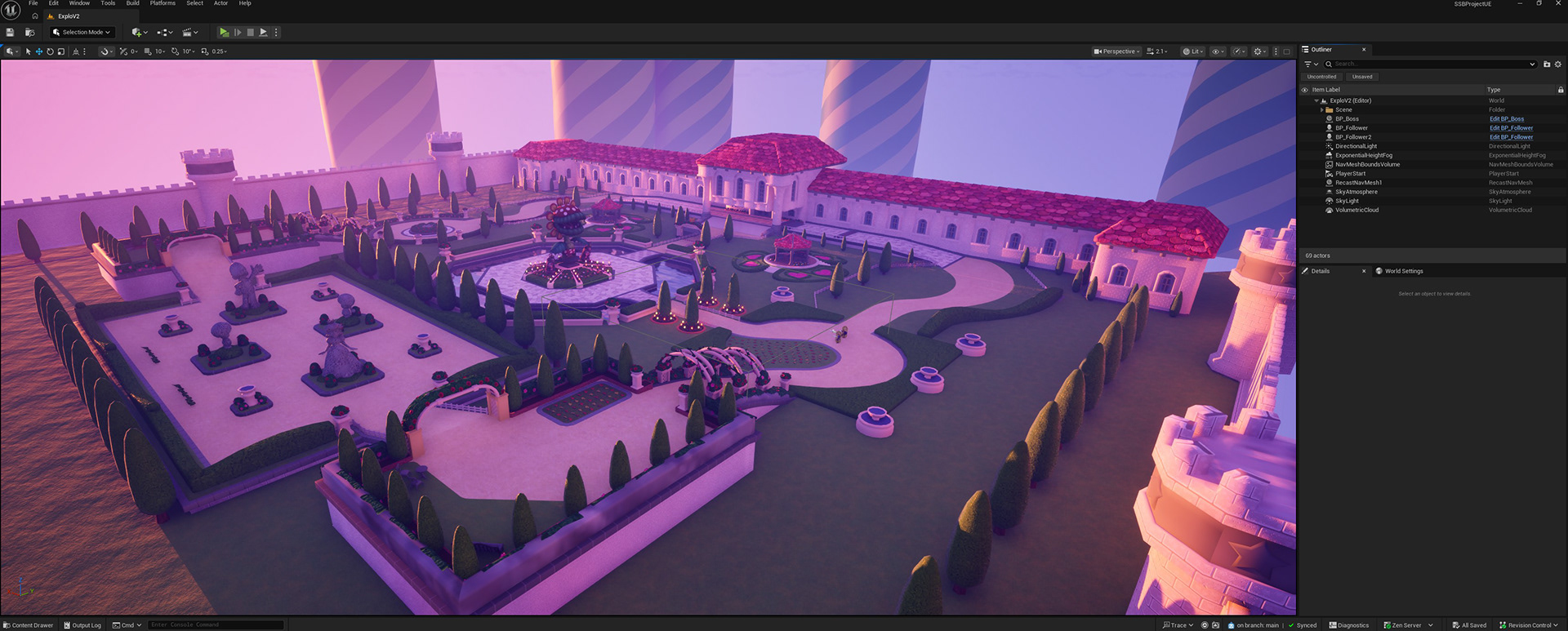
The environment is a reimagined version of the Mario Kart map Peach's Gardens, pulled into a rift dimension, with altered sky, strange geometry breaking through familiar Nintendo ground.
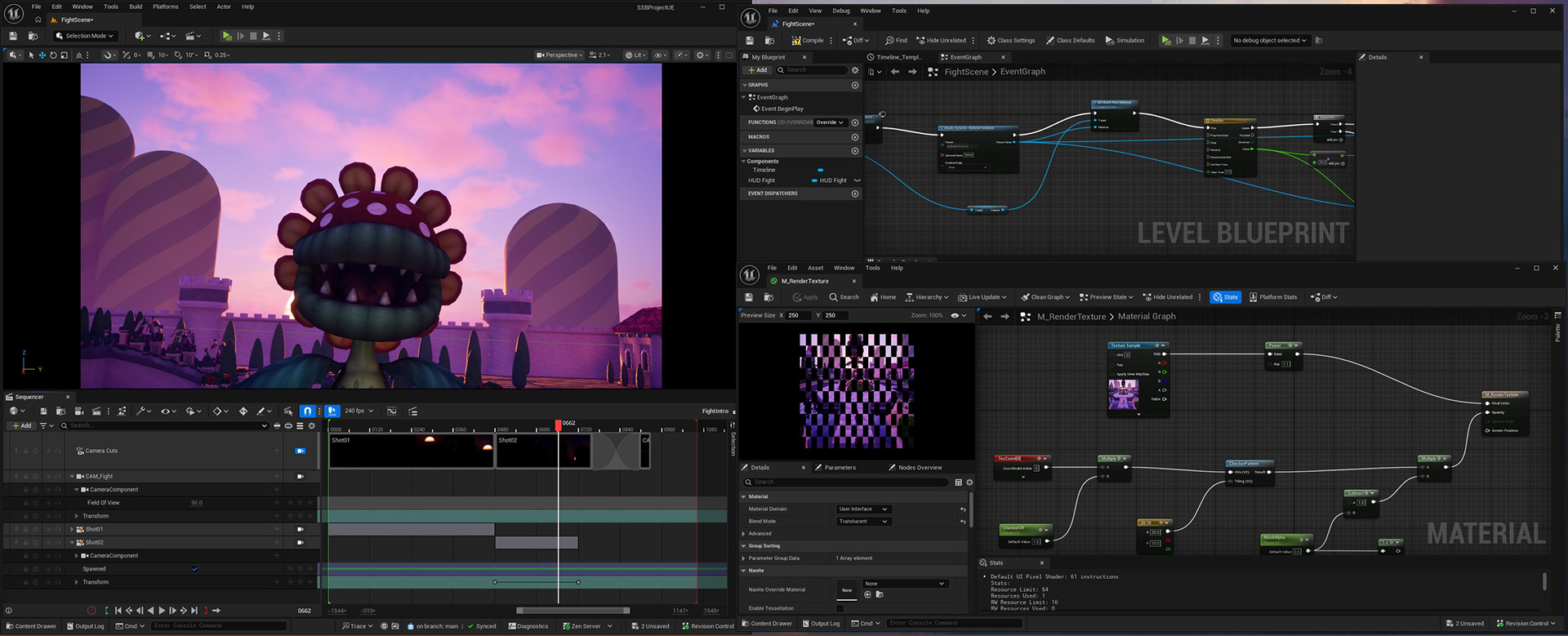
I built it in Blender, then brought it into the Unreal Engine to give the companion AI and camera work a real space to move through. The map and the character models come from The Spriters Resource, a community archive of ripped game assets and heavily reworked on blender and UE.
Companion Follow System
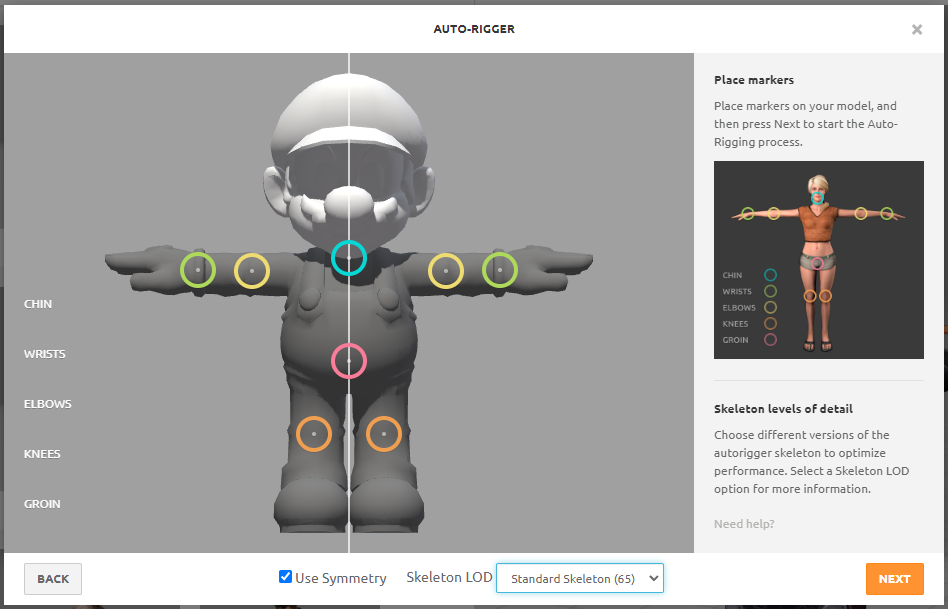
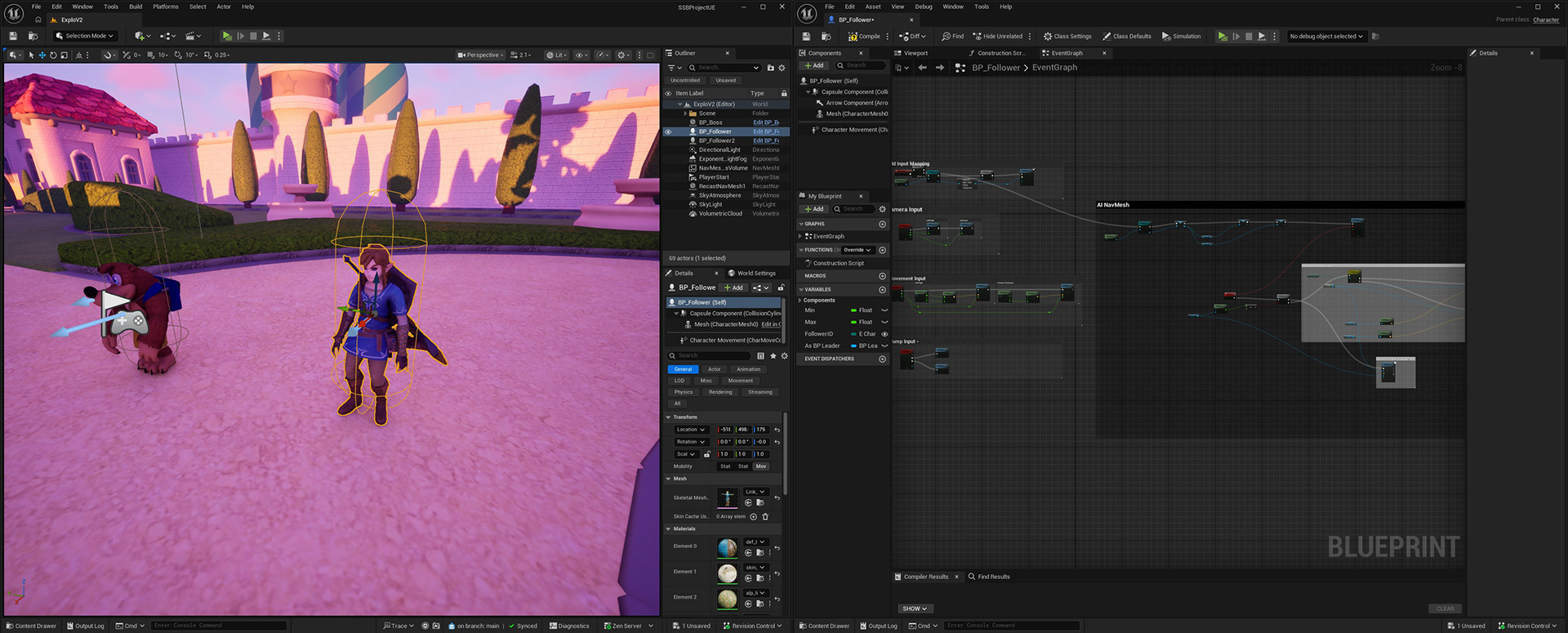
One of the core Persona-style mechanics is a visible party member trailing the player through the world. I rigged and retargeted the Super Smash Bros characters onto a Mixamo skeleton as a first pass, then iterated through three separate movement tests to get the follow behavior right: distance handling, catch-up speed, turning, and reacting to terrain without clipping or lagging awkwardly behind.
It's a small detail on screen, but it's the kind of thing that breaks player trust in a prototype instantly if it's off, so it got several dedicated passes before I considered it solid.
Battle Transition
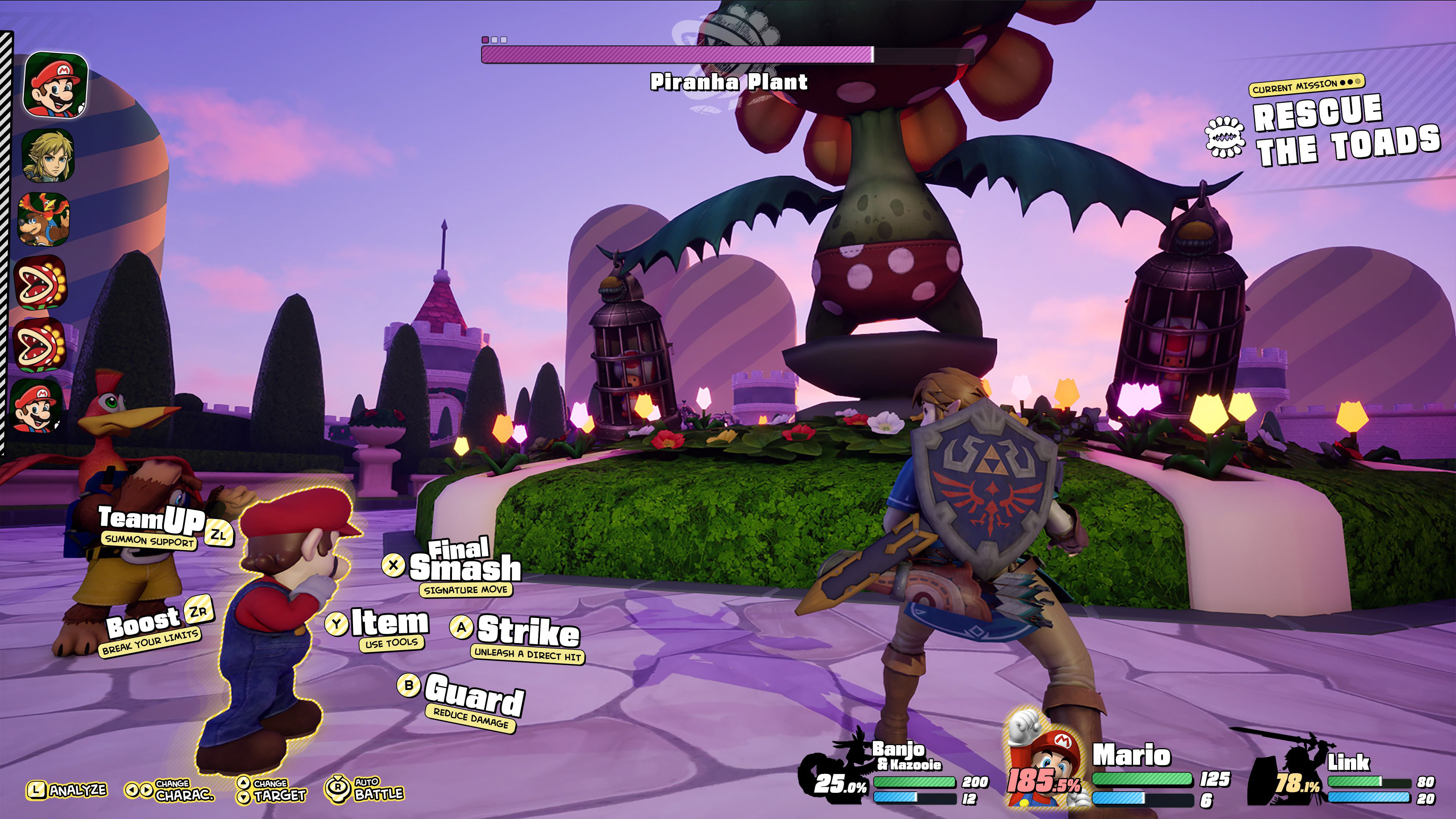
The second system is the choreography that sells the shift from exploration to combat, and it's really three pieces working together: a Sequencer track that cuts and blends between several cameras to build the shot, a level change that streams in the actual battle scene, and a UI effect on the HUD that punctuates the switch.
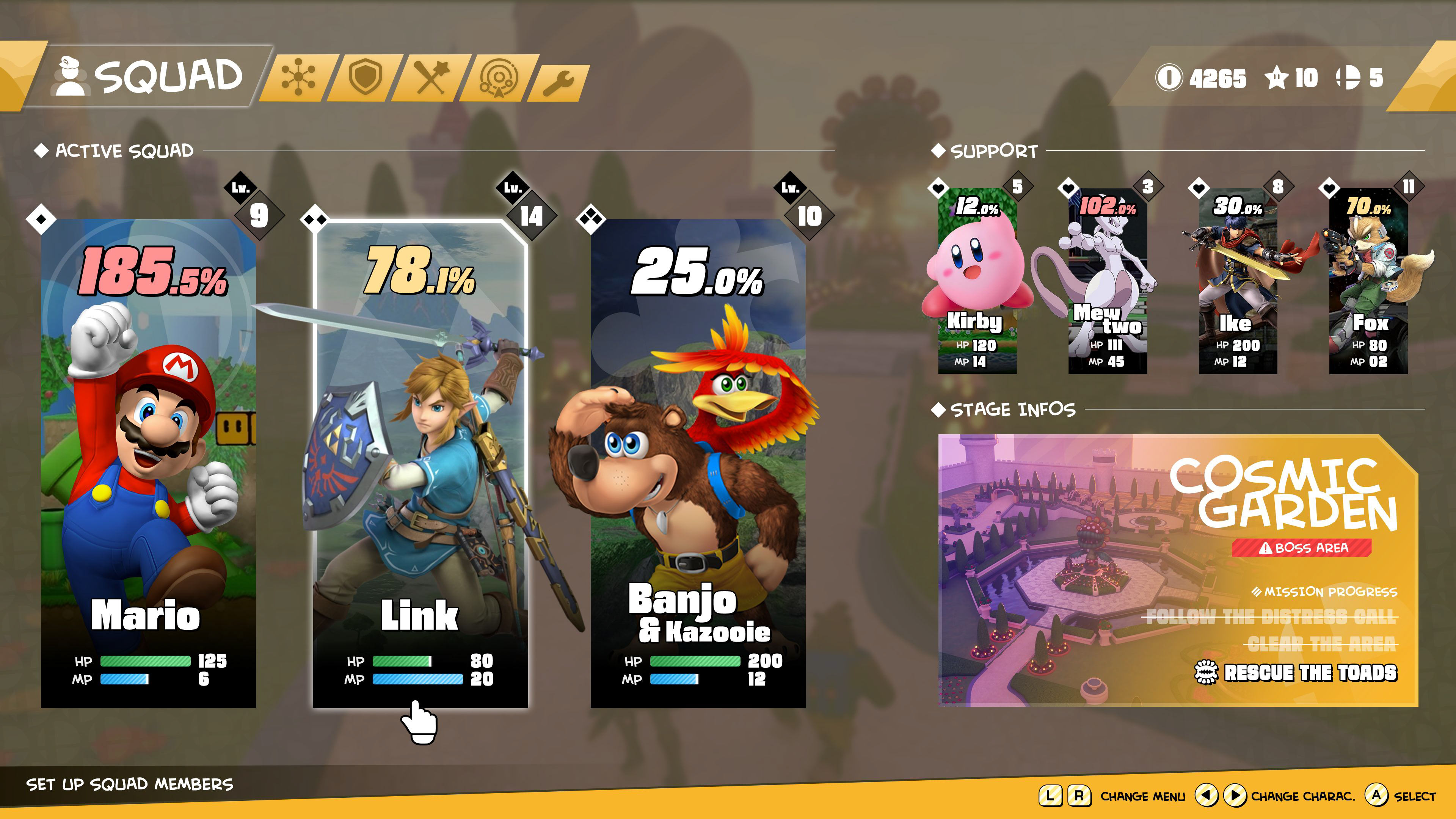
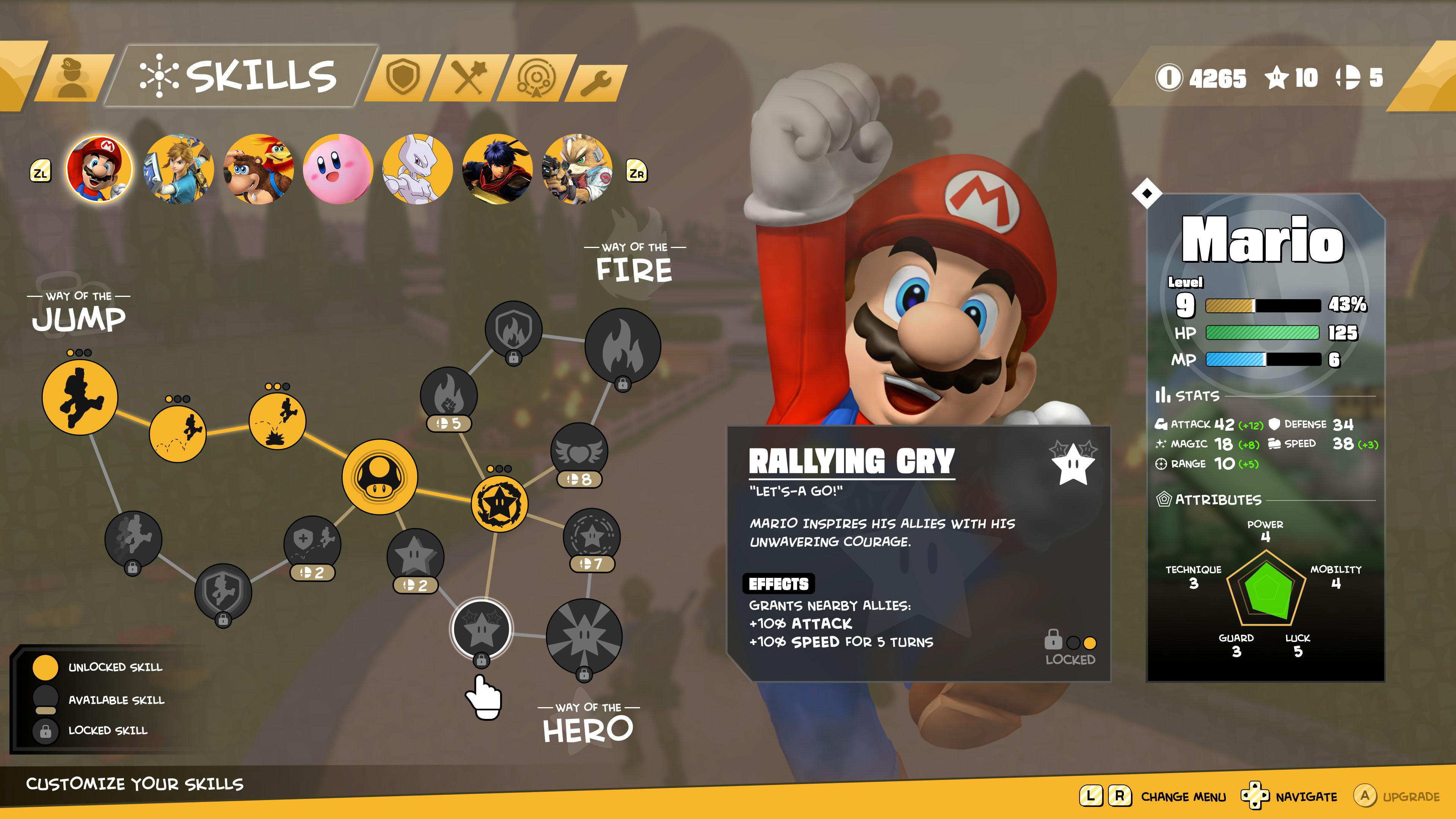
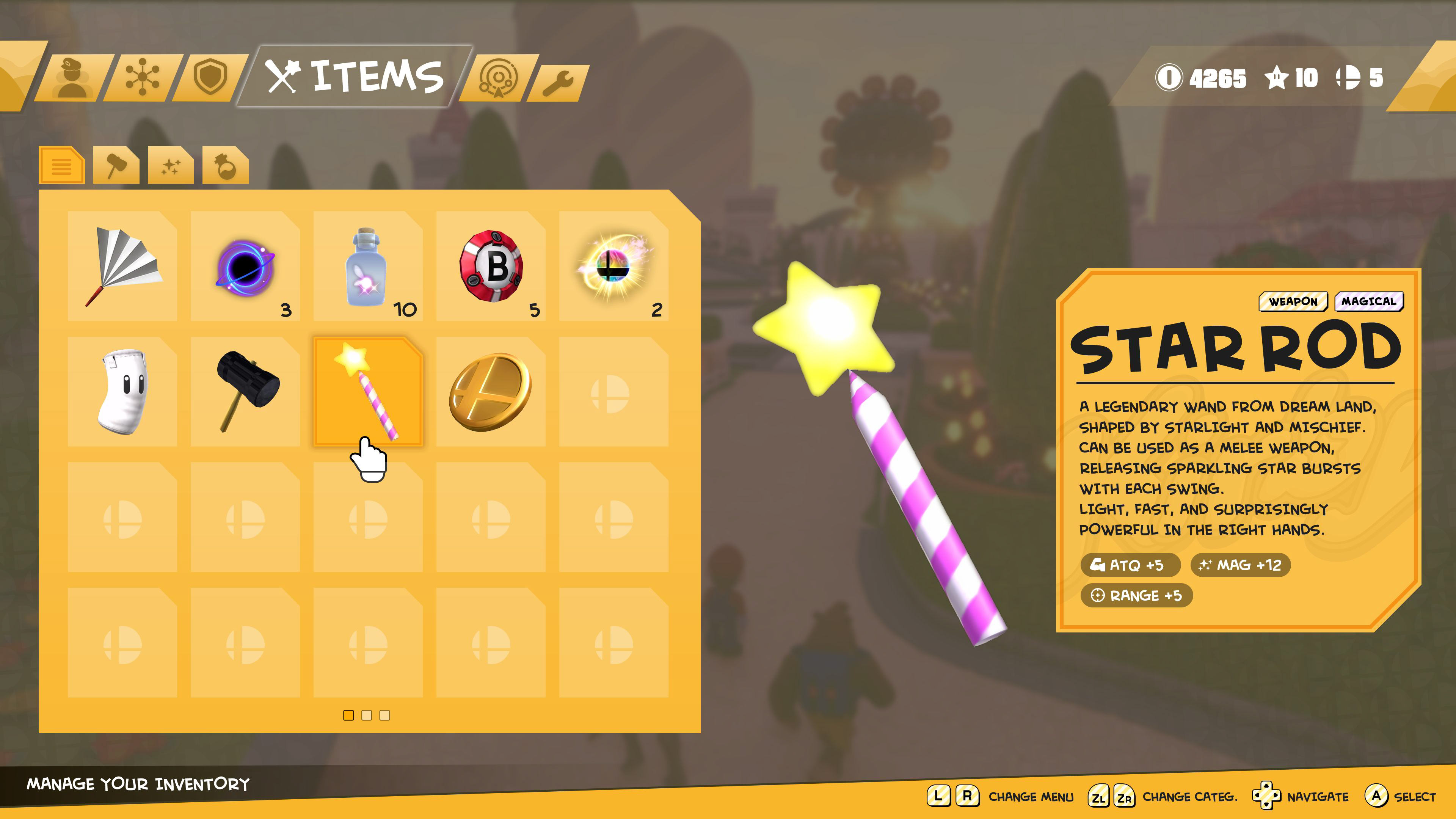
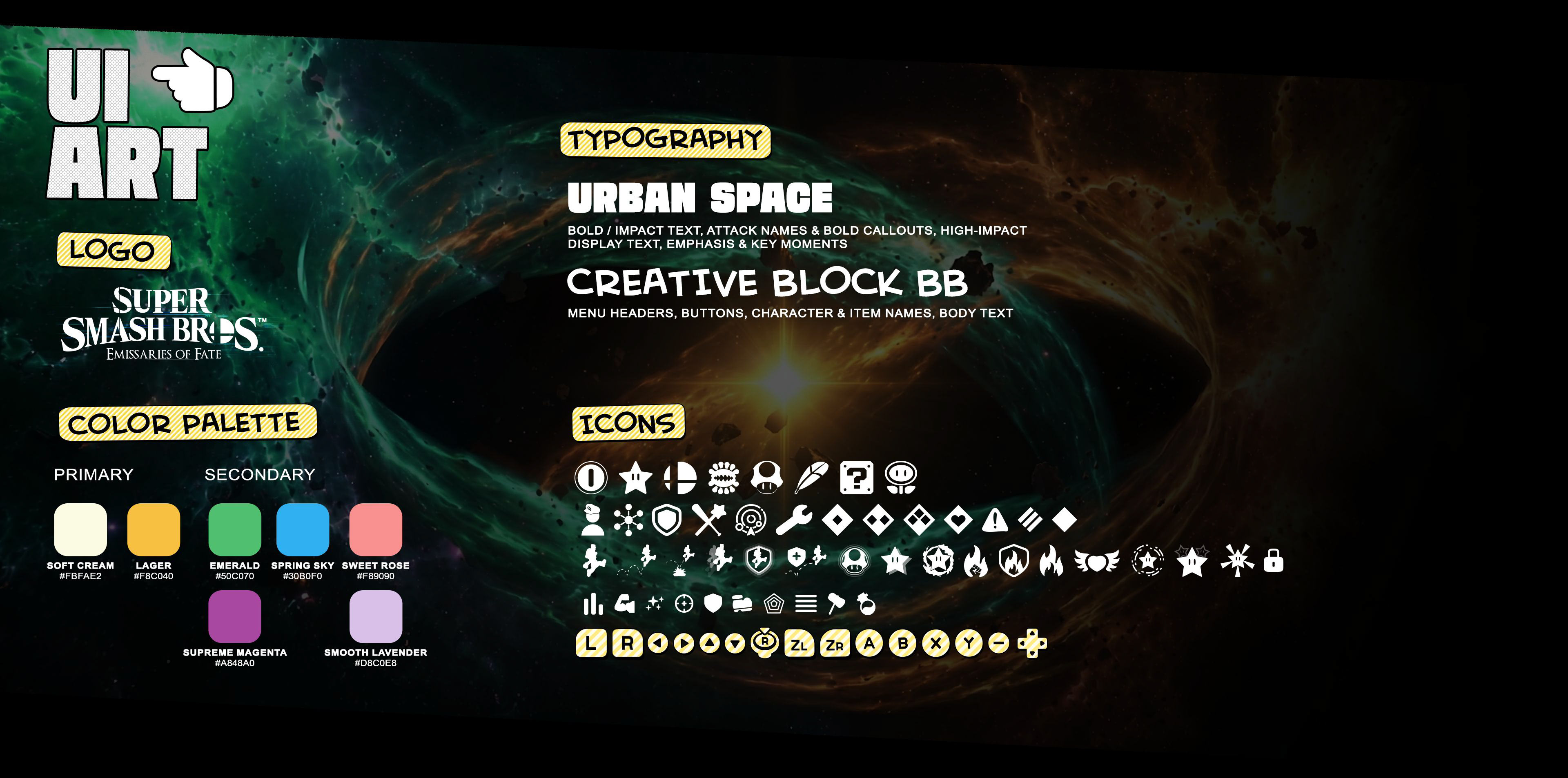
From Static UI to a Living Interface
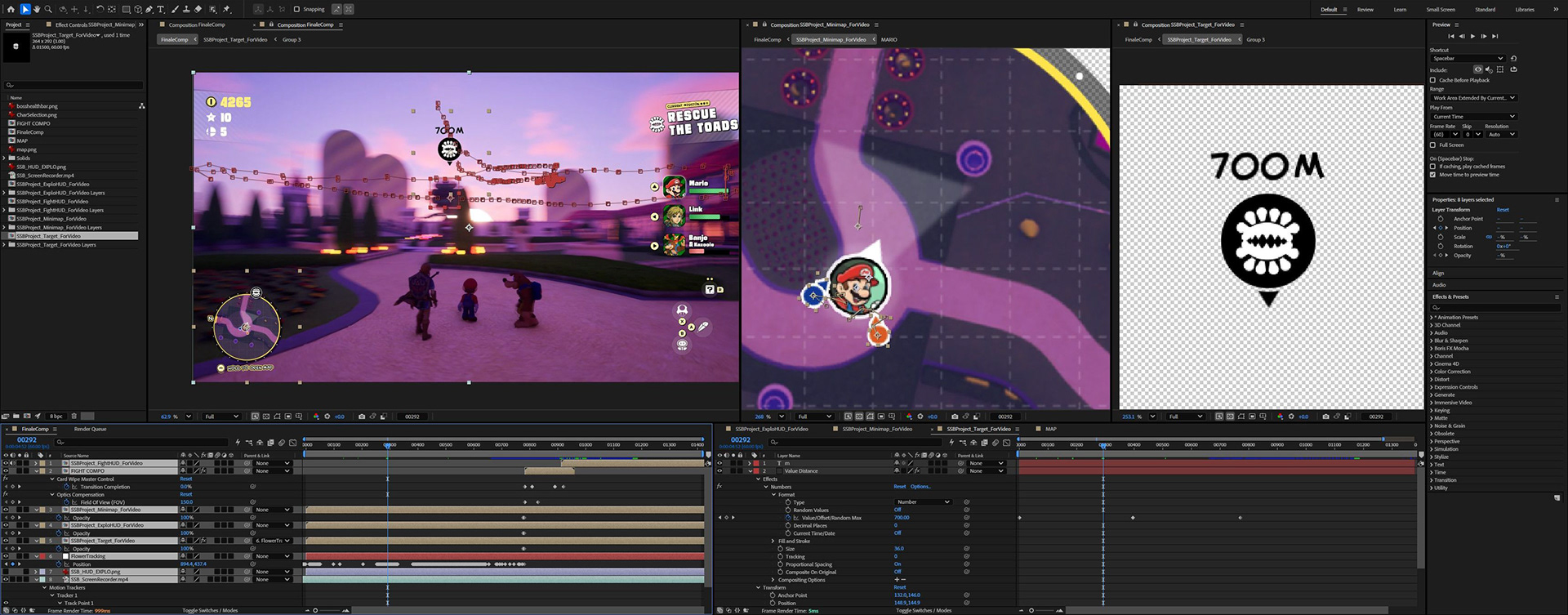
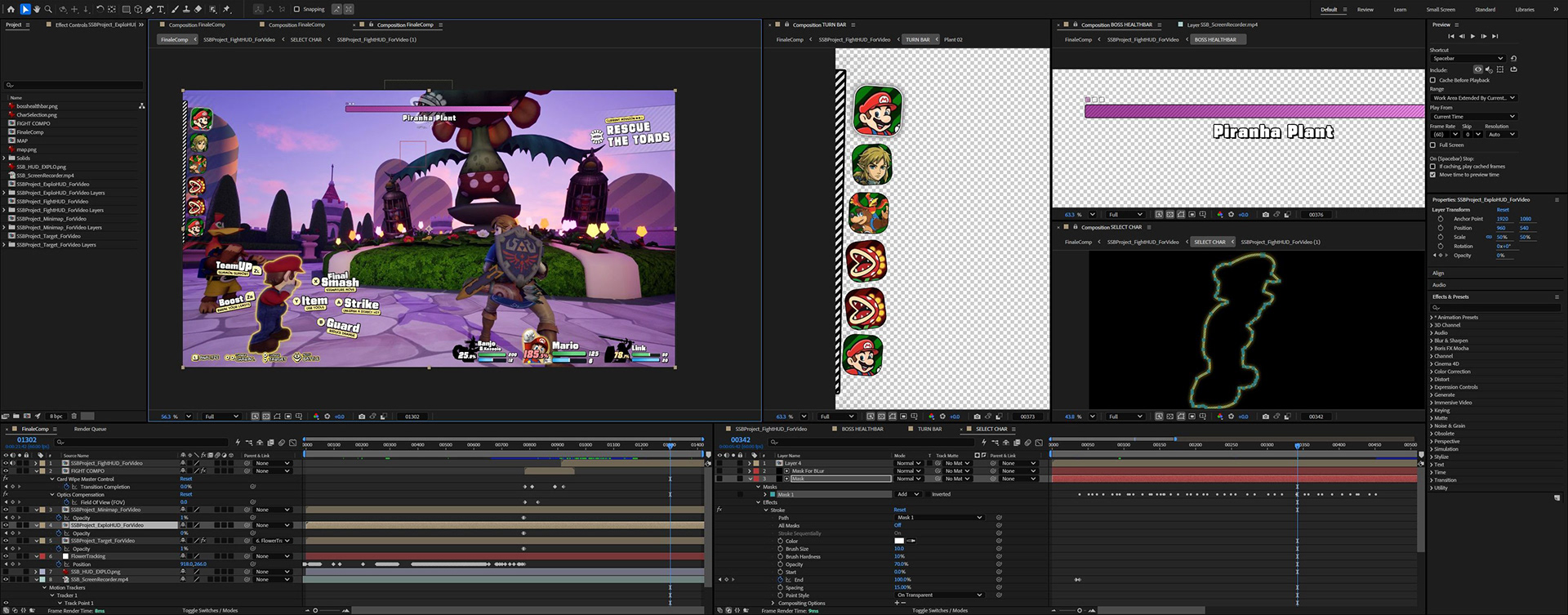
I set myself a personal challenge here: build a fully animated video mockup of the UI in After Effects, rather than settling for static screens.
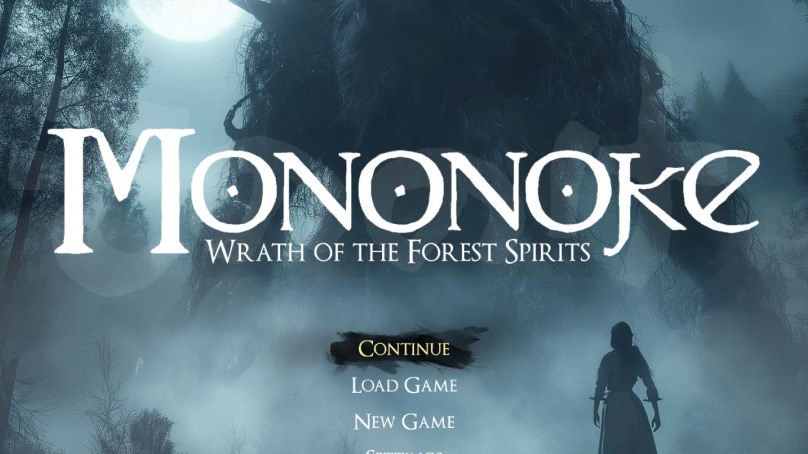
Instead of wiring all screens into Unreal Engine, I adapted the key HUD elements into video-ready versions and composited them over a direct screen capture of the Unreal scene — the same logic I used on my other Mononoke project's pause screen, just in a compositing tool this time.
It's a previz step, not a shortcut: it lets me validate how the whole system behaves in motion, so the interaction logic and timing are locked before the eventual integration on Unreal Engine.
I also designed a mograph straight in After Effects that I hadn't mocked up beforehand: the "ready to fight" transition screen between the two game phases.
Sound Design and Music
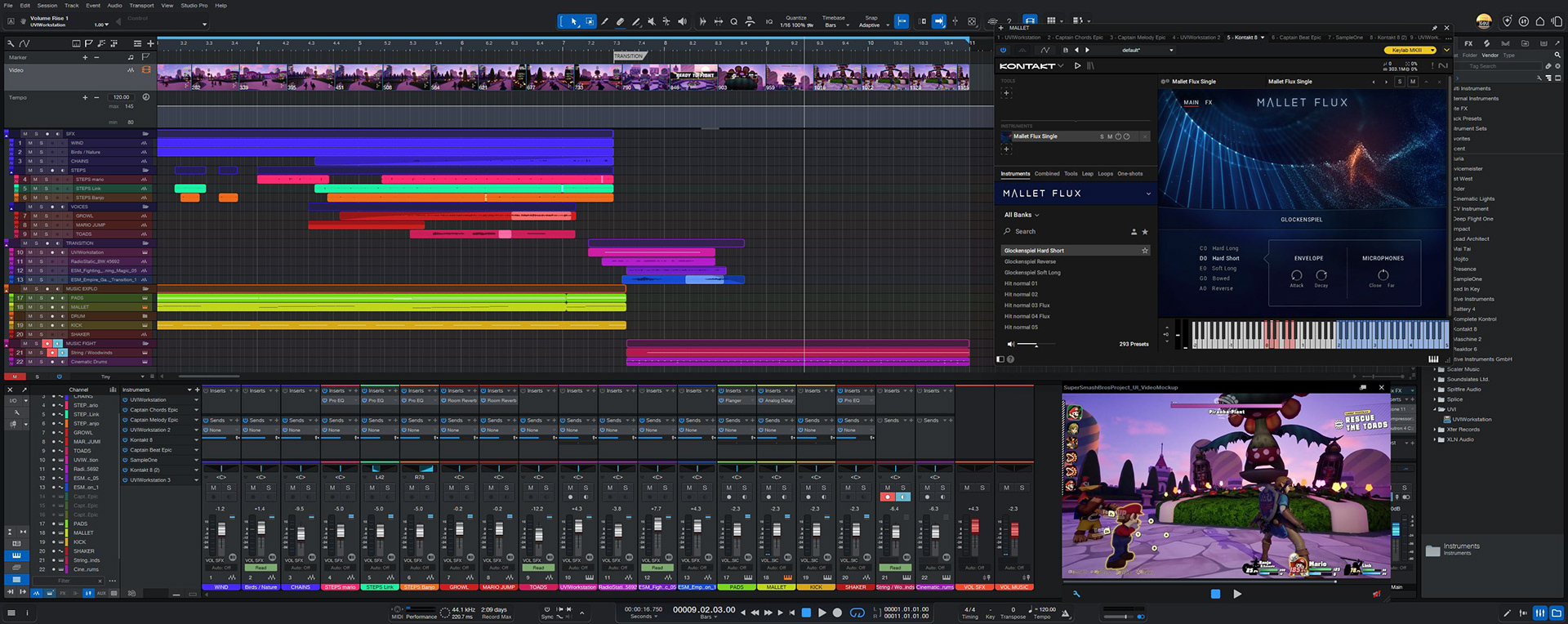
For the animation scoring, I tried to sell the transition between the different phases: A distinct mood for exploration, and something bigger when the fight begins.
Exploration got a calm, quiet cue under a champêtre sfx ambience, plus some diegetic sound design: chains and cage rattles as the player passes the caged Toads scattered through the gardens. Combat flips that completely — an orchestral cue built around choirs, hitting on the same beat as the camera cut and the HUD punctuation.
It's scoped to what this one clip needed, not a full soundtrack, but it runs on the same exploration/combat contrast the rest of the game's systems are built around.